
The Rise of Shared Mobility: Transforming Urban Transportation
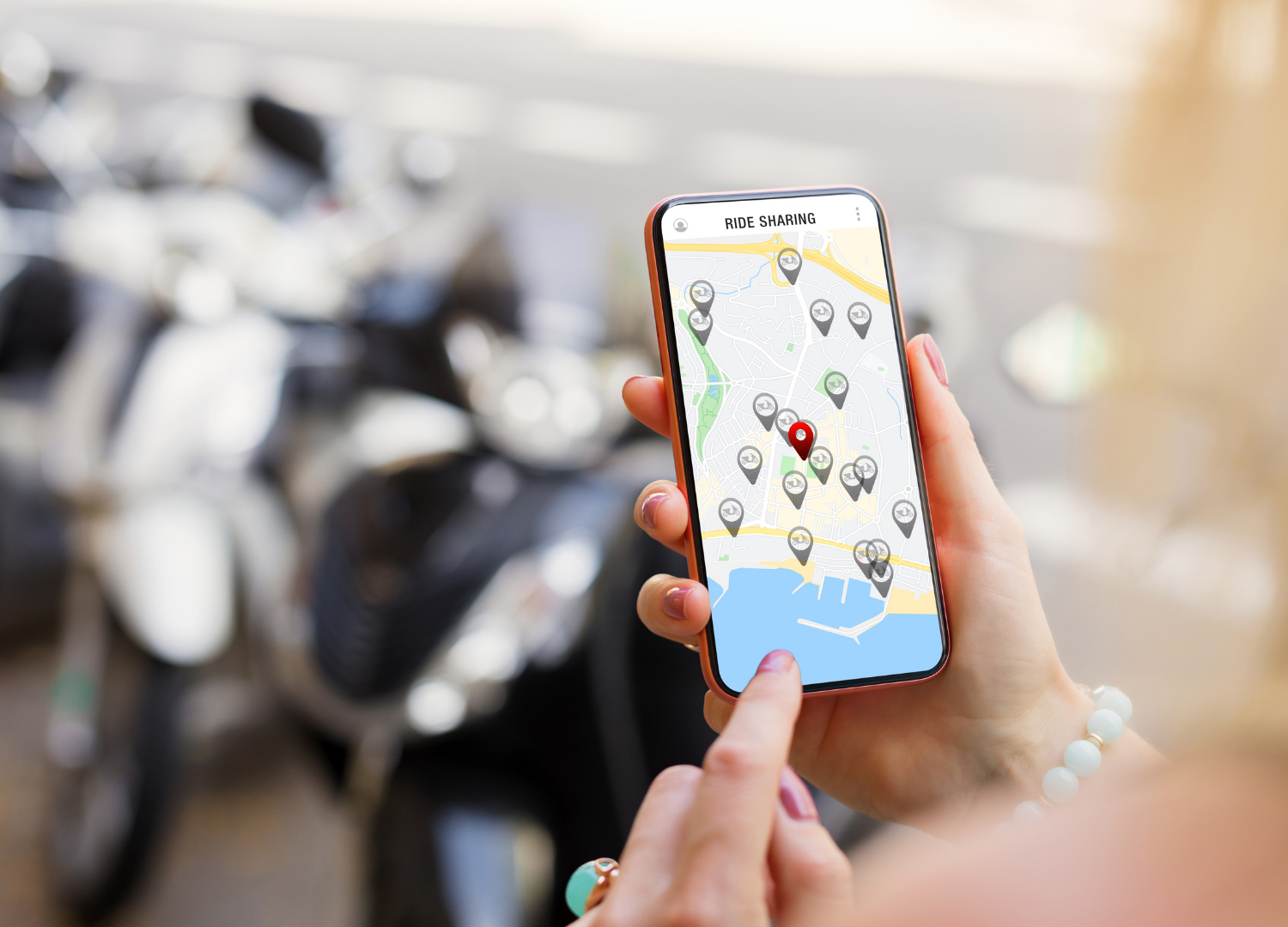
Urban transportation is undergoing a paradigm shift. As cities grow more congested and sustainability becomes a global priority, the traditional model of private car ownership is being challenged by smarter, more efficient alternatives. At the forefront of this evolution is shared mobility—a system that emphasizes access over ownership and convenience over complexity.
What is Shared Mobility?
Shared mobility refers to transportation services and resources that are shared among users, either simultaneously or one after another. This includes carpooling, ride-hailing, and corporate shuttle services. By leveraging technology, shared mobility platforms make it possible for individuals and businesses to reduce costs, improve convenience, and minimize environmental impact.
Why Shared Mobility is on the Rise
1. Urbanization and Congestion
With rapid urbanization, cities face mounting traffic congestion and limited parking space. Shared mobility offers a practical solution by reducing the number of vehicles on the road and improving traffic flow.
2. Cost-Efficiency
Owning and maintaining a private vehicle can be expensive. Shared mobility models, particularly pay-as-you-go services, eliminate high upfront costs and ongoing expenses like fuel, insurance, and maintenance.
3. Technology-Driven Convenience
Mobile apps, real-time tracking, and digital payments have made shared mobility seamless. With just a few taps, users can book, share, and pay for rides—enhancing accessibility for urban commuters.
4. Environmental Sustainability
Shared mobility supports green initiatives by reducing vehicle emissions and promoting eco-friendly alternatives like electric shuttles and hybrid fleets. This not only benefits the environment but also aligns with government regulations and corporate Environmental, Social, Governance (ESG) goals.
5. Changing Consumer Preferences
Younger generations prioritize convenience, flexibility, and sustainability over ownership. Shared mobility caters to these evolving expectations, making it a compelling option for both daily commutes and business travel.
The Corporate Angle
For businesses, shared mobility provides an efficient employee transportation solution. By adopting shared shuttle services or ride-pooling for staff, companies can lower transport costs, reduce carbon footprints, and enhance workforce satisfaction.
Conclusion
The rise of shared mobility is more than just a trend—it is a transformation in how cities move. By combining technology, sustainability, and cost efficiency, shared mobility is reshaping urban transportation and redefining the future of mobility. For both individuals and corporates, the shift from ownership to access signals a smarter, greener, and more connected tomorrow.